If I asked you, as an Aquatics Supervisor, "How much time do you dedicate to being on deck each day?" I know I would probably get a laugh, a scoff, or even a questioning look. We all know the importance of a supervisor being on deck, actively engaged with the operation, and providing leadership to their team. Supervisors are often able to identify potential challenges before they happen, and resolve it without anyone else ever knowing. That's why their presence is vital to a safe and successful operation. These are skills that are typically not inherent, rather they have been developed and refined through years of training and experience. And it's up to each of us to understand our role in this development process for our future leaders.
When we finally came out on the other side of the lifeguard shortage following industry-wide shutdowns during the pandemic, many of us breathed a sigh of relief. However, the long-term effects were only beginning. The long-term shutdowns introduced new challenges that impacted our ability to develop hiring strategies, maintain consistency, and find balance within our workloads.
Many of the lifeguards that would have been hired between 2020 and 2022 should now be successful supervisors. However, with reduced recruiting during these years coupled with birth rates that continue to decline, the talent pool we had prior to the pandemic had reduced dramatically throughout our industry. Additionally, we are no longer competing only against neighboring cities, waterparks, or local gyms. More than ever, we have had to recruit against local restaurants, shopping malls, and internship programs that also are hiring during the same time of year as the aquatics industry. These changes have impacted our industry in many ways, and one of the most significant has been the bench for our future leaders.
So how do we create an edge? What can we do to encourage more supervisors to invest in the profession for the long term and see the rewarding career opportunities that our industry offers?
There may be a lot of responses to these questions, however I think we should answer that question through mentorship. There will rarely be the "perfect" candidate, however there will be candidates who are coachable, eager to learn, and passionate about aquatics. And that is exactly what we need.
Mentorship can be accomplished through a variety of avenues, and each mentor has their own unique perspective and value to offer our future leaders. What are ways you can give back and foster the next generation of leaders? Look at your own capabilities and reflect on which skills are your strongest, and what are the most difficult for you to teach. It may be the soft skills that develop through experience with interpersonal relationships, or it may be the technical lifeguarding skills that only come with time on the job. Either way, you will have plenty to offer to developing stronger leaders, as well areas you likely need to dedicate more time to strengthen.
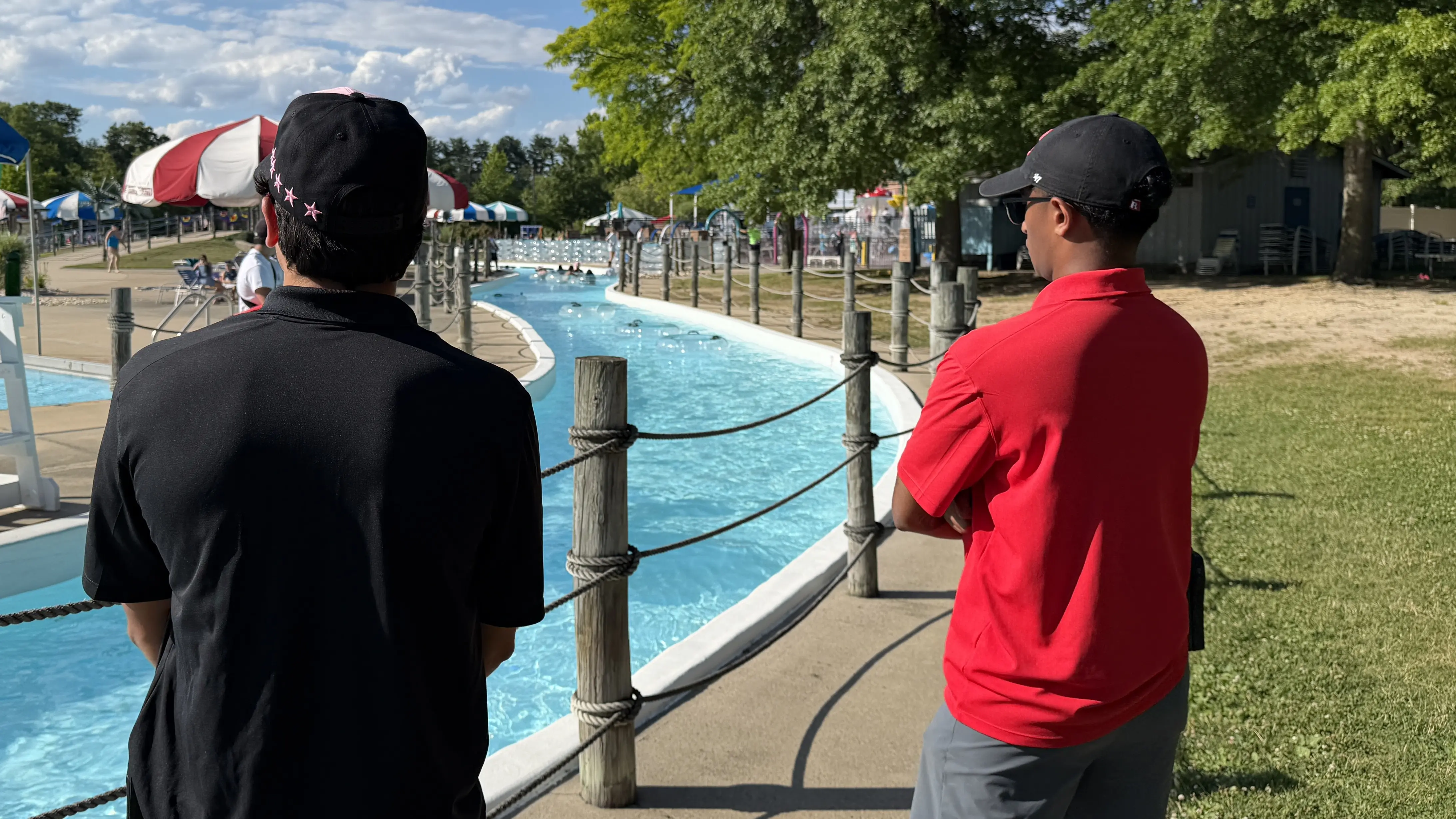
Senior management play a critical role in the development of future leaders and supporting mentorship opportunities. Senior management must be the voice for their teams and advocate for their staff to have opportunities to learn and develop, especially in meetings with other decision makers where they cannot do it for themselves. Whether it is reallocating responsibilities that may be preventing senior leaders from having an on-deck presence to establishing systems of communication and training, every senior leader has a responsibility to their teams to help them grow professionally.
It is also very important that we establish clear expectations and understanding of the daily responsibilities for every level of leadership. Most supervisors do not have enough hours in the day to effectively fulfill the expectations they are tasked with. In many situations, supervisors are being asked to take on more responsibilities with less and less support. This creates an unsustainable workload and creates resentment for a young leader. No one wants to face burnout or feel like they are failing this early in their career, and this could lead them to leave the industry completely. We certainly cannot afford to lose great leaders when we find them.
Remember that when we faced a lifeguard shortage, we made significant changes to create more opportunities for lifeguards to feel respected and supported. I simply ask that we now do the same for the development of our supervisors who are often the least likely to ask for it themselves.
So my final question is now “How much time should you dedicate to the growth and development of your future leaders?”. That can be a future conversation!